
Disclosure: This page may contain affiliate links. If you book or buy through our links, we may earn a small commission at no extra cost to you. See our Privacy Policy for details.
Breckenridge has been drawing people into the mountains for over 160 years — first for gold, now for powder. Sitting at 9,600 feet in Summit County, it’s one of Colorado’s most visited destinations and one of the few places where a genuine Victorian mining town and a world-class ski resort share the same zip code. Whether you’re here in February for the skiing or September for the aspens, Breckenridge earns the trip.

A Town Built on Gold
Long before the ski lifts went in, the Ute people lived and hunted throughout this stretch of the Rockies. That changed fast in 1859 when gold was discovered along the Blue River, setting off a rush that brought prospectors, merchants, and all the upheaval that follows a boom. The town was named after John C. Breckinridge — the sitting U.S. Vice President at the time — a political calculation meant to secure a post office for the new settlement.
Mining shaped Breckenridge for decades, cycling through booms and busts as the ore played out and new techniques brought operations back to life. Large-scale dredge mining in the early 20th century left behind the gold ponds still visible near town today. When the industry finally faded, what remained was a resilient community and a Main Street full of Victorian storefronts that were worth preserving — and were. The buildings you walk past today are the real thing, not a recreation.
Landmarks Worth Knowing
Main Street
Breckenridge’s Main Street runs through the heart of the Historic District, lined with well-preserved 19th-century buildings now housing boutique shops, local breweries, galleries, and restaurants. It’s genuinely walkable and attractive in every season — festive in winter, busy with hikers and cyclists in summer, and at its best on a quiet September afternoon.
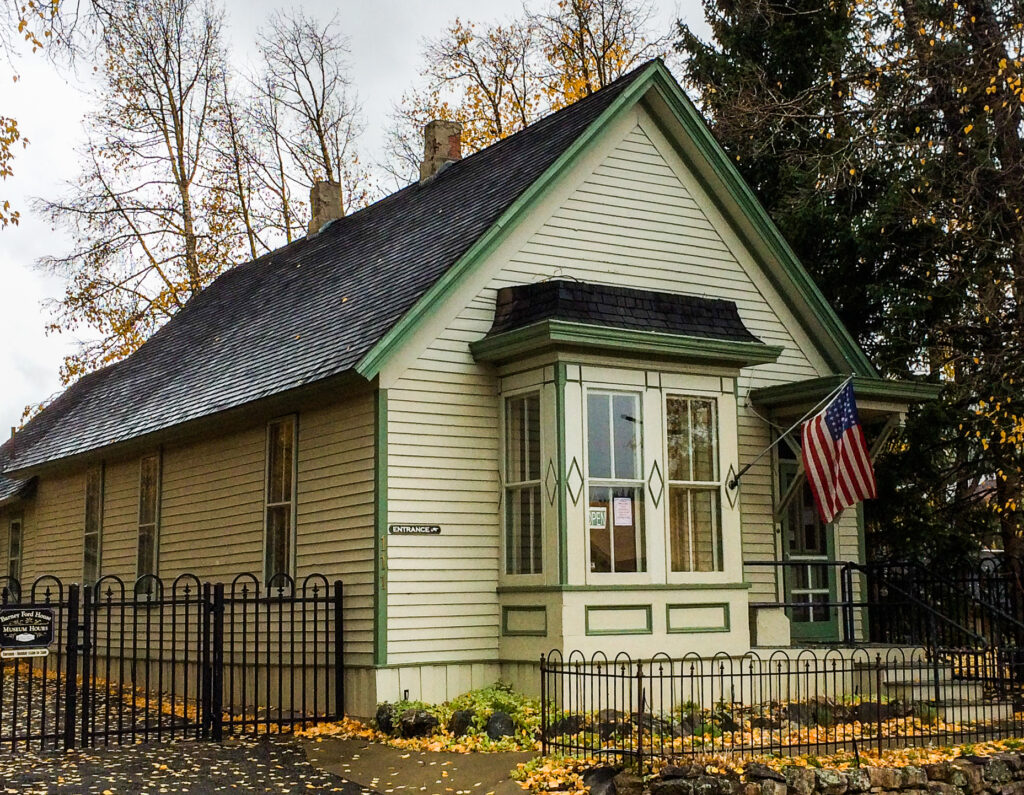
Barney Ford House Museum
The most compelling stop in the Historic District. Barney Ford was an escaped slave who made his way to Colorado during the gold rush and became one of the state’s most successful entrepreneurs, eventually playing a significant role in Colorado’s push for Black suffrage. The museum preserves his home and tells his story without softening it. Admission is free.
Boreas Pass Road
This historic road climbs to 11,482 feet along the old Denver, South Park & Pacific Railroad grade, connecting Breckenridge to South Park. In fall, the aspen color along this route is exceptional — easily one of the better drives in Summit County. Passenger cars can make it, but check conditions after rain.
Carter Park
A local favorite that doesn’t make most tourist lists. The park has disc golf, picnic areas, and playground access, along with some of the best views of the Ten Mile Range you’ll find without lacing up hiking boots.
Things To Do in Breckenridge
For a full seasonal breakdown of trails, activities, and local tips, visit our Breckenridge Things To Do guide.
Ski Breckenridge Resort
Five peaks, 187 trails, 2,908 acres of skiable terrain. Peak 8 has wide beginner groomers, the middle peaks handle most intermediate traffic, and Peaks 6 and 7 offer genuine expert terrain including above-treeline bowls and steep glades. The resort is Epic Pass compatible, which also covers Vail, Keystone, and Arapahoe Basin — the Summit County ski cluster is one of the best deals in the country if you’re staying a week or more.
Summit Quandary Peak
At 14,265 feet, Quandary is consistently ranked among Colorado’s most accessible 14ers. The standard East Ridge Route is 6.75 miles round trip with roughly 3,350 feet of elevation gain — strenuous but non-technical, with a well-marked trail the whole way. Mid-July through September is the safe window. Start before 7am; afternoon lightning on an exposed ridgeline is not a situation you want to be in.
Spruce Creek Trail to Mohawk Lakes
One of the best hikes in the area and consistently underrated. The trail climbs through dense spruce forest before opening into a high alpine basin with a series of lakes and a dramatic waterfall at the upper end. About 8 miles round trip with 1,700 feet of gain. Far less crowded than anything accessed directly from the resort.
Sallie Barber Mine Trail
A shorter, mellower option that winds past mining ruins with solid mountain views. Good for families, non-hikers, or anyone who wants a taste of the mining history without covering serious elevation.
Breckenridge Distillery
The largest high-altitude distillery in the world, and their bourbon is legitimately good — it’s won recognition well beyond Colorado. Tours and tastings run regularly, and the tasting room is walkable from Main Street. A solid rainy-day or après-ski stop.
Gold Panning Tours
Breckenridge’s mining heritage is hands-on if you seek it out. Guided gold panning tours operate through the summer and are genuinely entertaining for families. The gold ponds left behind by historic dredge operations are visible along the valley floor and worth understanding in context.
Tours & Activities
When to Visit Breckenridge
Winter (December–March)
Peak season in every sense. Snow conditions are typically excellent through March, the resort operates at full capacity, and the town has real energy. Prices reflect it — lodging books out fast around the holidays and Presidents’ Week. If you’re coming in February, plan 2–3 months ahead.
Summer (June–August)
A completely different experience and genuinely underrated. The resort runs lifts for mountain biking and sightseeing, wildflowers peak in mid-July across the high country, and daytime temperatures stay comfortable in the 70s°F. The Breckenridge International Festival of Arts in August brings large-scale installations and performances to town — worth timing a trip around if the arts are your thing.
Fall (September–October)
The best-kept secret in the Summit County calendar. Crowds drop sharply after Labor Day, prices come down, and aspen color peaks in mid-September. Boreas Pass Road is spectacular during peak color, and the Top of the Rockies Scenic Byway is at its best. This is when we’d come.
Spring (April–May)
Mud season, and not worth much to most visitors. Late-season skiing is slushy and limited, many businesses reduce hours or close entirely, and trails at lower elevations are a mess. Unless you’re chasing shoulder-season deals with low expectations, hold off until June.
Where to Stay in Breckenridge
Ski-In/Ski-Out at Peak 8
The premium option, and it earns the price if skiing is the point of the trip. Properties at the base of Peak 8 put you directly on snow — no shuttles, no logistics. Expect to pay a significant premium, especially in February and around the holidays.
Downtown Condos & Vacation Rentals
The best value for families and groups. A condo within walking distance of Main Street gives you kitchen access, more space, and proximity to restaurants and shops without the ski-in premium. The free Summit Stage bus connects downtown to the resort in minutes, so you’re not giving up much. Browse vacation rentals and cabins on VRBO to see what’s available.
Budget Option: Base in Frisco or Silverthorne
Both towns are 15–20 minutes from Breckenridge by car and significantly cheaper across the board. Frisco has its own walkable downtown and lakefront access. Both connect to Breckenridge via the free Summit Stage bus, so a car isn’t strictly necessary once you’re settled. If you’re watching the budget, this is the smart play.
Search hotels in Breckenridge on Hotels.com
Browse vacation rentals on VRBO