
Disclosure: This page may contain affiliate links. If you book or buy through our links, we may earn a small commission at no extra cost to you. See our Privacy Policy for details.
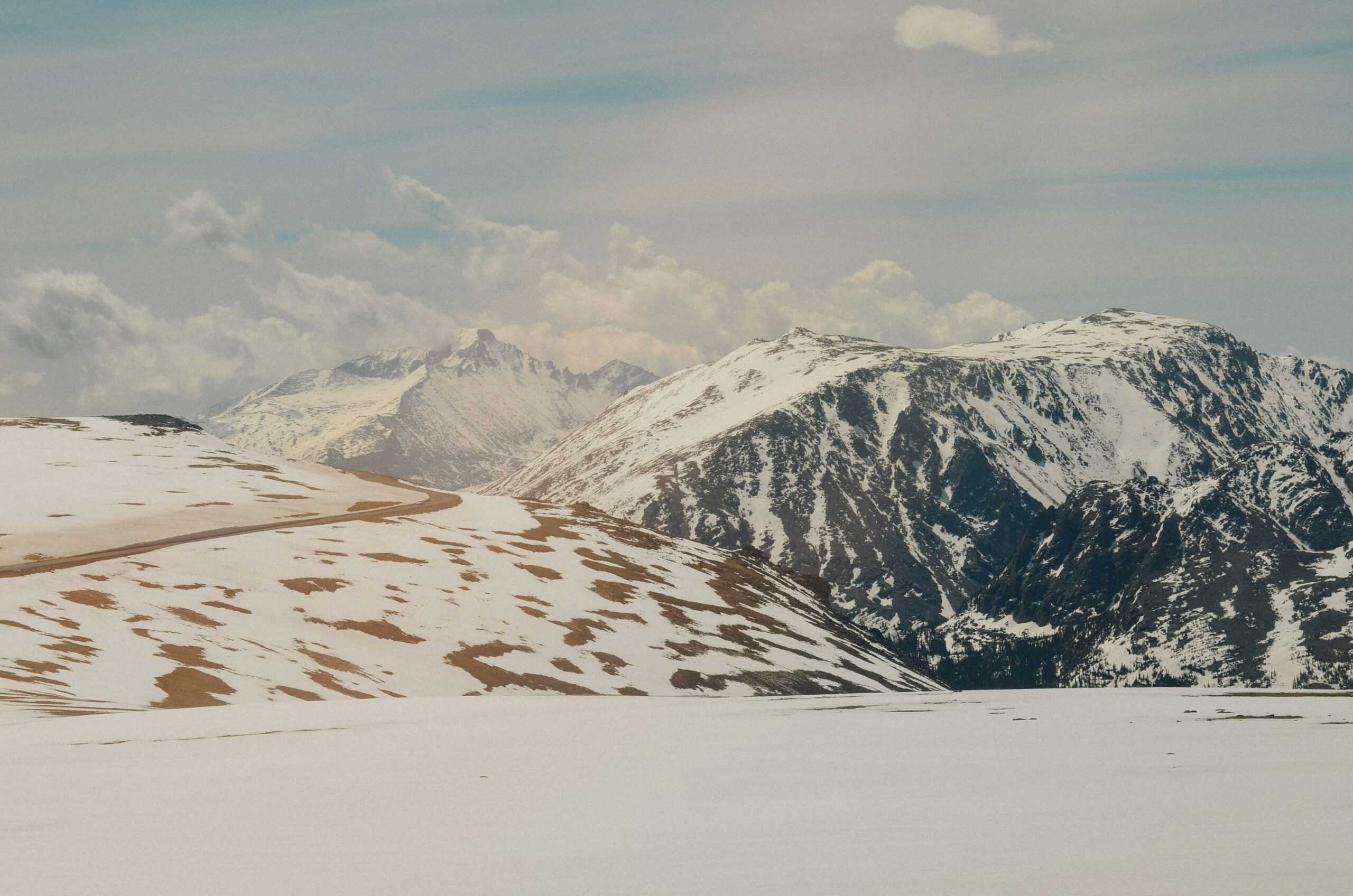
Trail Ridge Road is the highest continuous paved highway in the United States, crossing Rocky Mountain National Park at elevations that top out at 12,183 feet. For 48 miles it connects Estes Park on the east to Grand Lake on the west, threading through alpine tundra that most visitors to Colorado never reach — a windswept, treeless landscape above the clouds where the views stretch for a hundred miles in every direction and the wildlife is unlike anything at lower elevation.
The drive typically takes two to three hours without stops, but nobody does it without stopping. Pullouts appear at regular intervals along the route, each one offering a different angle on the surrounding peaks, valleys, and tundra. The road is designated a National Scenic Byway and an All-American Road — the highest designations the Federal Highway Administration awards — and it earns both.
When Trail Ridge Road Is Open
Trail Ridge Road is a seasonal road. It typically opens in late May and closes in mid-October, though exact dates vary year to year depending on snowpack and weather conditions. The alpine section — above treeline — closes first in the fall and opens last in the spring. In an average year, the road is fully open from Memorial Day weekend through mid-October.
Always check current road conditions before you go. The NPS posts real-time road status at nps.gov/romo. Late-season snowstorms can close the road with little warning, even in summer.
Driving Trail Ridge Road: Key Pullouts and Stops
The road is well-signed with pullouts on both sides. Below are the major stops from east to west — the most common direction for visitors approaching from Denver or Estes Park.
Many Parks Curve — One of the first major overlooks heading west from Estes Park, with sweeping views down into Horseshoe Park and the surrounding valleys. The name refers to the park meadows visible below, each one prime moose and elk habitat.
Rainbow Curve — At 10,829 feet, this pullout offers dramatic views down into the Fall River canyon and back toward Estes Park. A short interpretive trail explains the geology of the area.
Forest Canyon Overlook — A paved, accessible path leads to a platform overlooking Forest Canyon, one of the deepest glacially carved valleys in the park. The canyon drops roughly 2,500 feet from the overlook. This is one of the most dramatic viewpoints on the entire drive.
Rock Cut — At 12,110 feet, this is the highest roadside stop with a paved trail. The Toll Memorial Trail, a short out-and-back on tundra, begins here and is one of the best places in the park to see yellow-bellied marmots, pikas, and bighorn sheep. The wind at this elevation can be brutal — bring a layer.
Alpine Visitor Center — The only visitor center in the country above 11,000 feet, located at Fall River Pass (11,796 feet). It has exhibits on alpine tundra ecology, a bookstore, and restrooms. The adjacent Trail Ridge Store is the last place to buy snacks or warm gear before descending toward Grand Lake. Outside the center, a short trail leads up to the ridge at 12,005 feet for unobstructed 360-degree views.
Milner Pass — At 10,759 feet on the western descent, Milner Pass marks the Continental Divide. Precipitation east of this point drains to the Atlantic; west of it to the Pacific. A small sign marks the crossing — worth a photo stop.
Farview Curve — The final major overlook before the road drops into the trees and toward Grand Lake. On a clear day the view west extends across the Kawuneeche Valley and deep into the mountains of the Arapaho National Recreation Area.
Wildlife Along the Route
Trail Ridge Road is one of the best wildlife-viewing drives in Colorado, particularly in the early morning and late evening hours when animals are most active.
Elk are the most commonly seen large animal. Herds graze the meadows on both sides of the divide, and bull elk in September are often visible from the road during the rut. Bighorn sheep frequent the rocky slopes near Rock Cut and Rainbow Curve — they are often visible from the road with no hiking required. Moose prefer the willow corridors of the Kawuneeche Valley on the western side. Yellow-bellied marmots and pikas are reliable sightings at Rock Cut and other rocky tundra areas.
Keep all wildlife at a distance of at least 75 feet and never feed any animal. Habituated wildlife frequently has to be euthanized — feeding an animal is not kindness.
Hiking Near Trail Ridge Road
Most visitors experience Trail Ridge Road from the car, but several short trails branch off from roadside pullouts.
Toll Memorial Trail (Rock Cut) — 1.6 miles round trip, tundra terrain, minimal elevation gain. The best easy hike directly off the road.
Alpine Ridge Trail (Alpine Visitor Center) — 0.6 miles round trip, steep, climbs to 12,005 feet. Short but demanding at altitude. Outstanding views.
Ute Trail (Timberline Parking Area) — 4 miles one way, or as short a distance as you like before turning back. One of the few maintained tundra trails for longer walks above treeline.
If you’re planning a full day of hiking in the park rather than a driving tour, see our Rocky Mountain National Park guide for the best trails on both sides of the divide.
Camping Near Trail Ridge Road
Rocky Mountain National Park has five campgrounds. All require reservations through recreation.gov during the peak season (late May through mid-October), and they fill weeks in advance.
Moraine Park Campground — The largest in the park, on the east side, with access to excellent elk-viewing meadows. Open year-round.
Aspenglen Campground — Smaller and quieter, near the Fall River entrance on the east side. First-come, first-served early in the season.
Glacier Basin Campground — East side, near Bear Lake Road. Good base for hiking.
Timber Creek Campground — The only campground on the western side of the park, just north of Grand Lake. 98 sites, no hookups.
Longs Peak Campground — Tent-only, on the south end of the park near the Longs Peak trailhead. Quieter and less crowded.
For a full rundown of campground options in the area, see our Colorado Campgrounds guide.
Where to Stay
Estes Park anchors the eastern end of Trail Ridge Road and has the widest range of lodging — from budget motels and cabins to full mountain resorts. It’s the most convenient base if you plan to drive the road from east to west and return the same way.
👉 Search Estes Park Hotels on Hotels.com
👉 Browse Estes Park Cabins on VRBO
Grand Lake anchors the western end and suits visitors who want a quieter, more rustic base — with cabin rentals on Colorado’s largest natural lake and easy access to the west entrance of the park.
👉 Search Grand Lake Hotels on Hotels.com
👉 Browse Grand Lake Cabins on VRBO
Practical Tips
Timed-entry permits: Rocky Mountain National Park requires timed-entry reservations for vehicles entering the Bear Lake Corridor and the park generally during peak summer hours (typically 5 AM–6 PM, mid-May through mid-October). Book at recreation.gov well in advance — these sell out fast.
Altitude: Most of Trail Ridge Road is above 10,000 feet. Headaches, shortness of breath, and fatigue are common, especially if you’re driving straight up from Denver. Drink water, move slowly, and descend if symptoms worsen.
Weather: Afternoon thunderstorms build over the mountains almost every summer afternoon, sometimes with lightning above treeline. Plan to be back below 11,000 feet by early afternoon if storms are forecast.
Gas: Fill up in Estes Park or Grand Lake before driving. There is no fuel on Trail Ridge Road.
Pets: Dogs are permitted in parking areas and on roads but not on trails inside Rocky Mountain National Park.
Related Pages
- Rocky Mountain National Park — full visitor guide to the park Trail Ridge Road crosses
- Estes Park, Colorado — the eastern gateway town
- Grand Lake, Colorado — the western gateway town
- Best Campgrounds Near Estes Park – local camping guide to Estes Park
- Colorado Campgrounds — full campground planning guide